Optimal Timing for Honeybee Relocations
Honeybee relocations are most effective during specific times of the year when bee activity is optimal. Timing can influence the success rate of relocation efforts and minimize disruption to the hive. Understanding seasonal patterns is essential for planning effective honeybee management.
Spring is considered ideal for honeybee relocations due to increased hive activity and brood development, which allows for easier handling and healthier bee colonies.
Summer offers extended daylight hours, but high temperatures can stress bees. Relocations should be performed early in the season to avoid peak heat.
Fall is suitable for relocating hives preparing for winter dormancy. Proper timing ensures bees can establish themselves in new locations before cold weather.
Winter is generally not recommended for honeybee relocations due to hive dormancy and reduced activity, which complicates handling and increases risks.
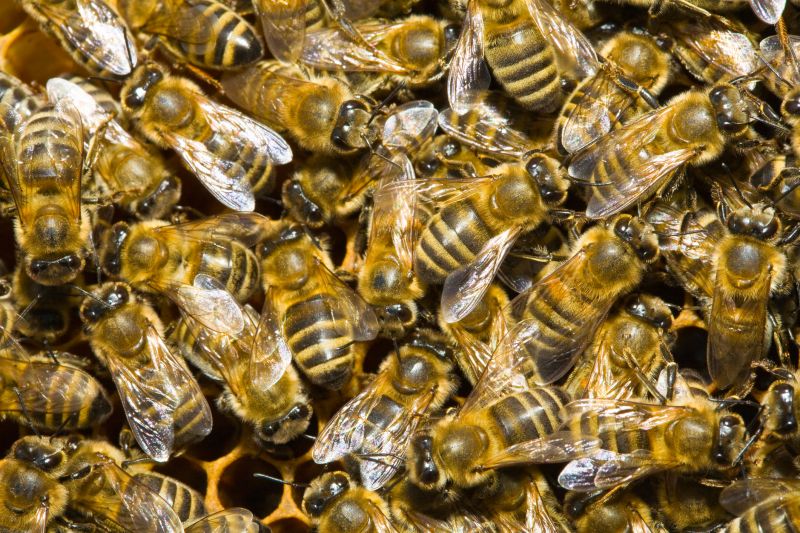
Spring is a prime time for hive inspections and relocations, promoting healthy colony development.
Managing hives during summer requires attention to temperature and hive health.
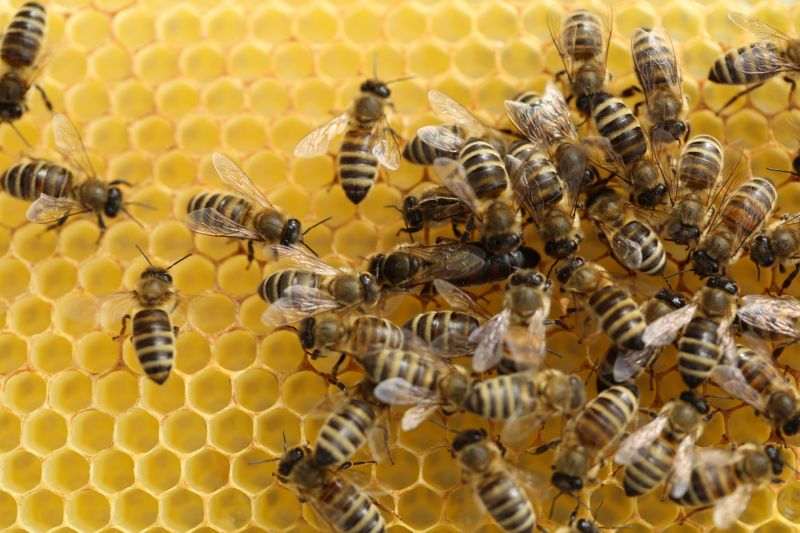
Preparing hives for fall ensures bees are ready for winter dormancy.
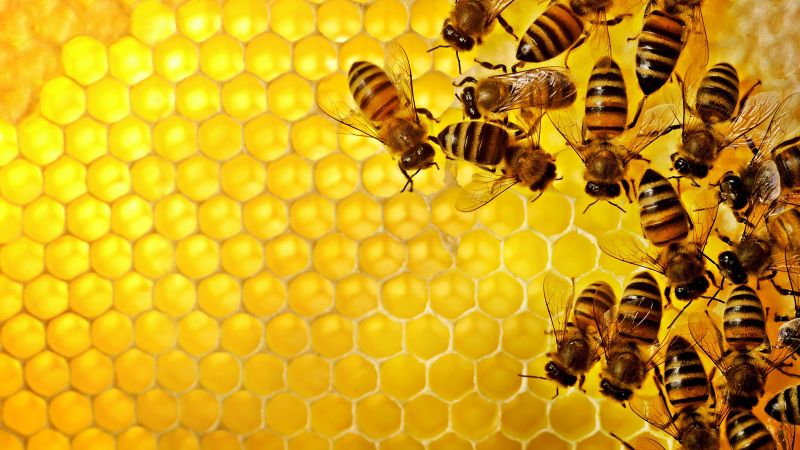
Ways to make Honeybee Relocations work in tight or awkward layouts.
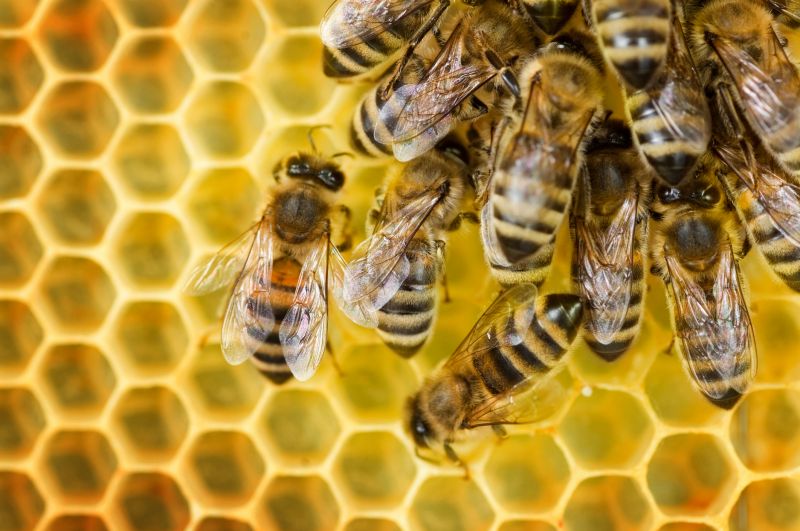
Popular materials for Honeybee Relocations and why they hold up over time.
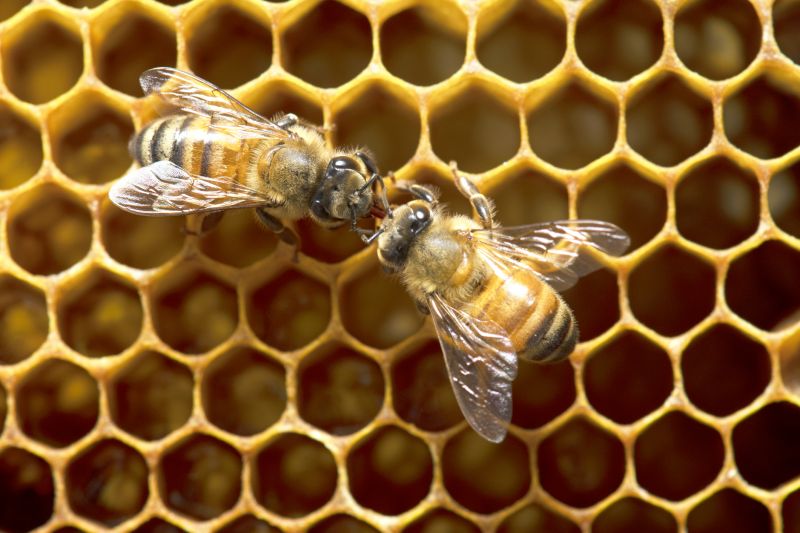
Simple add-ons that improve Honeybee Relocations without blowing the budget.
| Season | Best Practices |
|---|---|
| Spring | Perform hive inspections, handle colonies early, and relocate before peak brood expansion. |
| Summer | Relocate early in the season, avoid peak heat, and ensure adequate water supply. |
| Fall | Prepare colonies for winter, and relocate before temperatures drop significantly. |
| Winter | Generally not recommended due to hive dormancy and reduced activity. |
| Overall | Timing should consider local climate, hive health, and bee activity patterns. |
Honeybee relocations require careful planning to align with seasonal behaviors and environmental conditions. Proper timing minimizes stress on the colonies and promotes successful establishment in new locations. Data indicates that early spring and late fall are the most favorable periods for relocation activities, with success rates improving when hive handling occurs during active seasons.
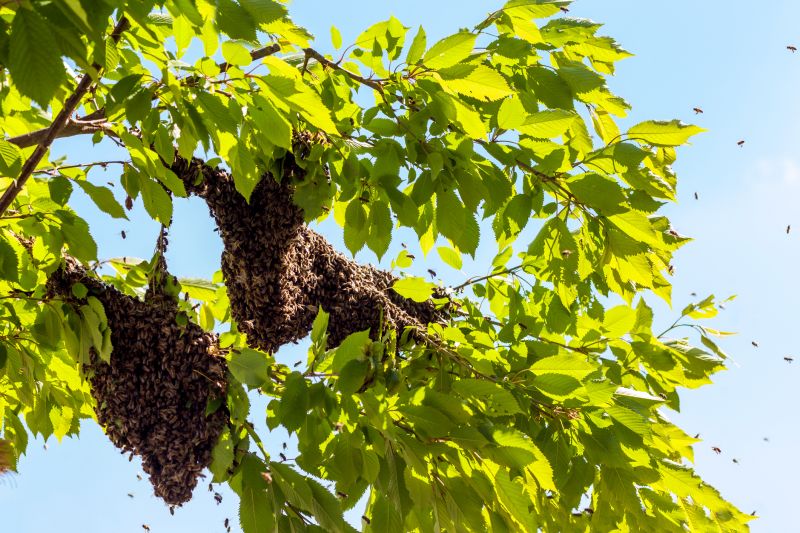
Spring offers optimal conditions for hive transfer and colony health.
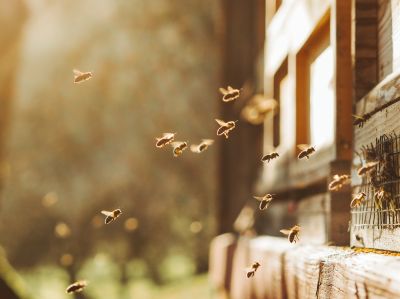
Monitoring hive health during summer is crucial for successful relocation.
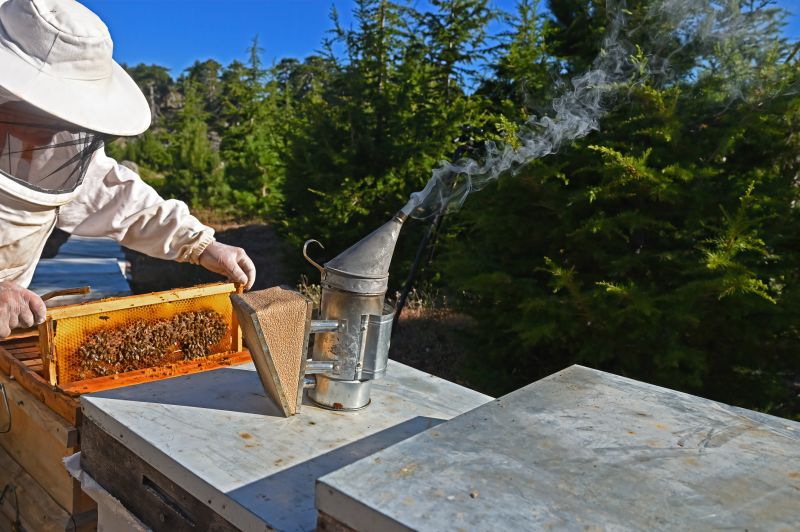
Fall preparations help ensure bees survive winter in new locations.
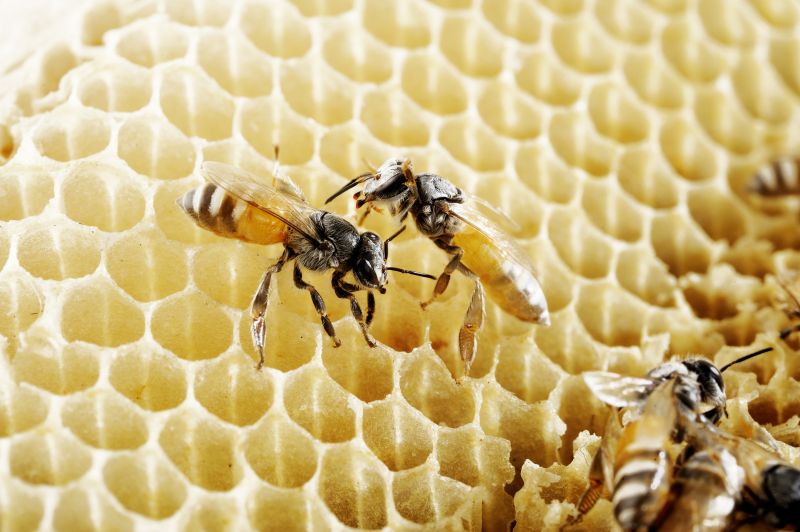
Winter relocations are generally discouraged due to hive dormancy.
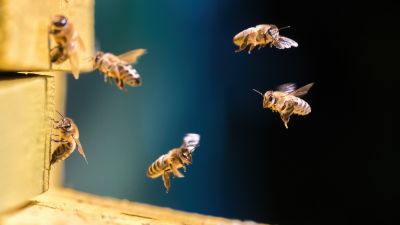
Finishes and colors that play nicely with Honeybee Relocations.
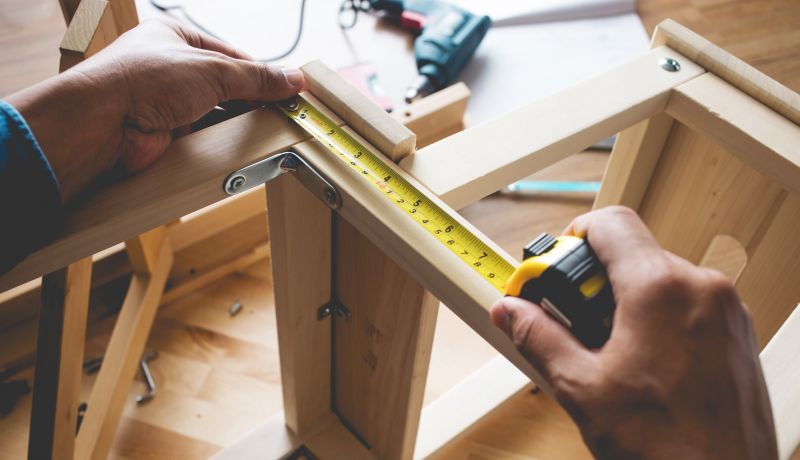
Little measurements that prevent headaches on Honeybee Relocations day.
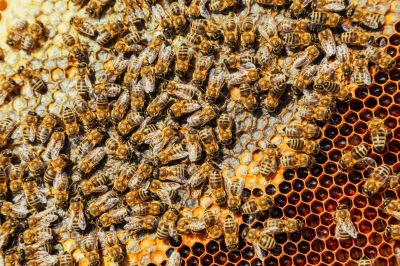
A 60-second routine that keeps Honeybee Relocations looking new.
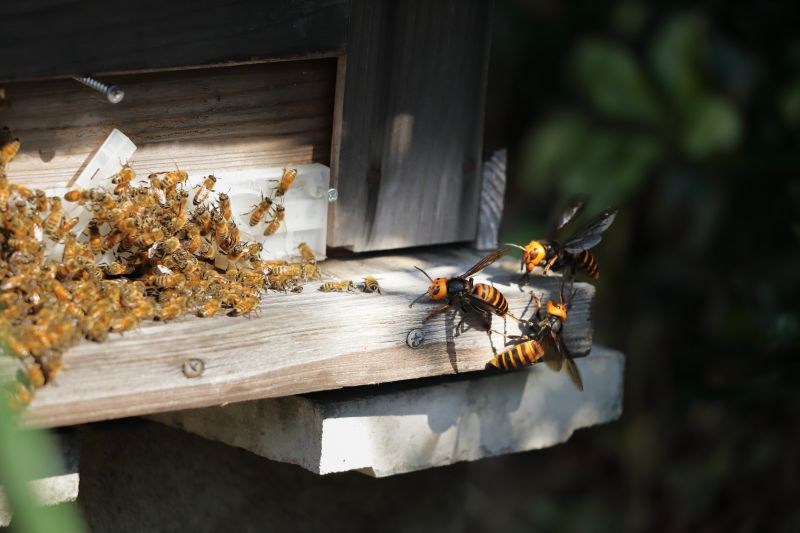
A frequent mistake in Honeybee Relocations and how to dodge it.
Small tweaks to make Honeybee Relocations safer and easier to use.
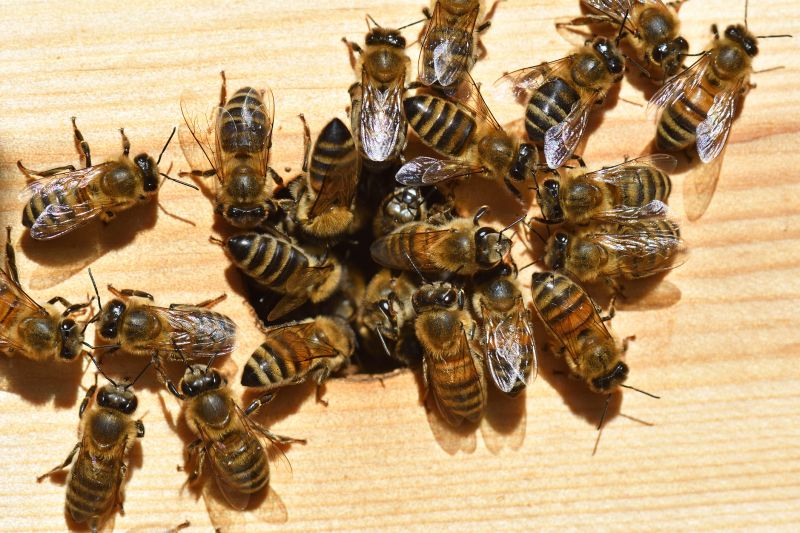
Lower-waste or water-saving choices for Honeybee Relocations.

The short, realistic tool list for quality Honeybee Relocations.
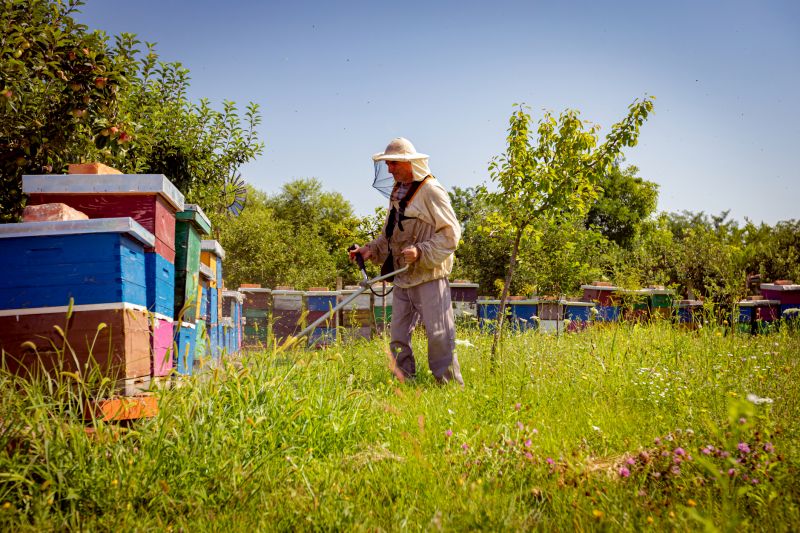
Rough timing from prep to clean-up for Honeybee Relocations.
Understanding the seasonal patterns of honeybee activity is essential for effective relocation strategies. Proper timing reduces stress on colonies, supports healthy development, and increases the likelihood of successful hive transfer. Consulting local apiary conditions can further refine the optimal window for relocations.
Honeybees are most active during warm months, making spring and fall ideal for relocation efforts.
Relocating during active seasons supports colony stability and reduces mortality rates.
Extreme temperatures and reduced activity in winter complicate hive handling and increase risks.
Interested in scheduling a honeybee relocation? Filling out the contact form provides an opportunity to discuss optimal timing and plan effective hive transfers tailored to specific needs.