When Bee Removal Is Necessary and When It’s Not
People seeking bee removal often want to eliminate dangerous or unwanted bee colonies, and local service providers can safely handle the job when removal is necessary and when it’s not.
If property owners are wondering when bee removal is necessary and when it’s not, they are in the right place. Understanding the circumstances that call for professional intervention can help prevent unnecessary disruptions and ensure safety. Bees often establish colonies in hidden or hard-to-reach areas, and their presence might not always require removal-especially if they are away from human activity or pose no immediate threat. Local service providers can evaluate these situations, offering guidance on whether removal is advisable or if the bees can be safely left undisturbed.
For those facing situations where bee removal is necessary, such as when a hive is located near entry points or high-traffic zones, it’s important to seek out experienced local contractors who specialize in humane and effective removal methods. Conversely, if the bees are isolated, not aggressive, and away from people or pets, removal may not be needed. Exploring these distinctions can help property owners make informed decisions and ensure the safety of everyone involved. Local pros are ready to assist with assessments and solutions tailored to each unique situation.
- Bee removal in active hive situations - local contractors often recommend removal when bees have established a hive in a structure or high-traffic area.
- Preventative bee removal - professionals may advise removal if bees are building a hive near homes to prevent potential issues.
- When bees are not causing a nuisance - local pros typically suggest leaving bees undisturbed if they are away from human activity and not posing a threat.
- Handling isolated bee swarms - experienced service providers can safely relocate swarms found in trees or open spaces without the need for removal.
- Dealing with dormant or abandoned hives - local contractors may recommend removal if hives are no longer active to prevent future problems or infestations.

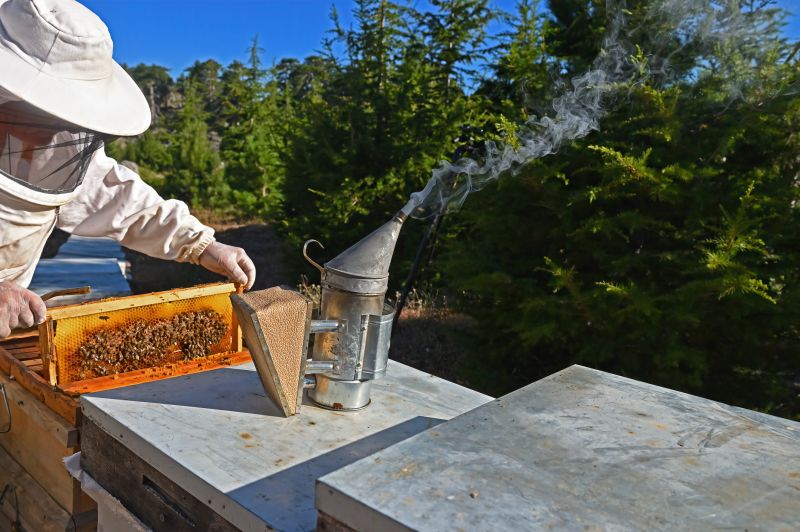

Understanding when bee removal is necessary and when it’s not is essential for homeowners dealing with bee activity on their properties. Typically, people searching this topic want to know if the presence of bees poses a threat to their family, pets, or property, or if the bees can be left alone safely. For example, if a hive is located away from frequently used areas and the bees are not aggressive, removal might not be needed. Conversely, if a hive is in a spot where it could cause stings or damage-such as near doorways, play areas, or structural parts of the home-professional bee removal services are often recommended to address the situation safely and effectively.
The questions around when bee removal is necessary often relate to specific problems or plans. Homeowners might be concerned about the health risks associated with bee stings, especially if someone in the household has allergies. Others may be worried about the potential for bees to damage building materials or landscaping. In some cases, property owners plan to develop or renovate areas and need to ensure that any existing hives are removed beforehand. Local service providers can assess these situations to determine if bee removal is the best course of action, or if the bees can be left undisturbed without risk.
The types of properties that frequently come up in these discussions include residential homes, especially those with yards or gardens, as well as commercial or public buildings with outdoor spaces. Rural properties with open land and natural bee habitats often encounter situations where bee activity is part of the local ecosystem, making removal unnecessary unless the bees are in an inconvenient or dangerous location. Urban environments, on the other hand, tend to have more interactions with bees near structures and human activity, which can increase the need for professional intervention. Local contractors experienced in bee removal understand the nuances of these property types and can provide tailored advice based on the specific circumstances.
Ultimately, knowing when bee removal is necessary and when it’s not depends on evaluating the safety risks, property damage potential, and the location of the hive. In many cases, bees are beneficial pollinators that can be left undisturbed if they are not posing a threat. However, when a hive is close to high-traffic areas or causes concern for health or property, professional bee removal services are equipped to handle the situation responsibly. These local service providers can assess the situation, recommend the appropriate action, and ensure that the removal process is carried out safely and effectively, helping homeowners make informed decisions about their properties.
Wildlife Removal - professionals handle the safe removal of various animals from properties, which shares skills in assessing when bee removal is necessary and when it’s not.
Pest Control Services - experts use similar tools and planning strategies to manage bee infestations and determine if removal is the appropriate course of action.
Hive and Nest Removal - specialists focus on safely removing bee colonies, requiring knowledge of bee behavior and when removal is essential or avoidable.
Exclusion and Prevention Services - providers use planning and tools to prevent bee access, aligning with understanding when bee removal is needed or unnecessary.
Structural Repairs and Sealing - contractors repair entry points after bee removal, which involves planning similar to deciding when removal is necessary.
Wild Animal Control - professionals manage the removal of animals from properties, paralleling the decision-making process for bee removal based on the situation.

When evaluating local contractors for bee removal services, it’s important to consider their experience with similar projects. Homeowners should seek out providers who have a proven track record handling bee removal in residential settings, especially when dealing with situations that require careful management to avoid harm to the hive or surrounding property. An experienced service provider will be familiar with different types of bee activity and know how to approach each situation appropriately, helping to determine when bee removal is necessary and when it might be better to leave the bees undisturbed.
Clear written expectations are essential when comparing local service providers. Homeowners should look for contractors who provide detailed descriptions of the scope of work, including what the removal process entails, any follow-up steps, and guarantees or warranties if applicable. Having this information in writing helps ensure everyone is on the same page and reduces the risk of misunderstandings. It also makes it easier to assess whether the provider’s approach aligns with the homeowner’s preferences and the specific circumstances surrounding the bee activity.
Reputable references and good communication are key factors in choosing the right bee removal pro. Homeowners can ask for references from previous clients or look for reviews to gauge the quality of service and professionalism. A provider who communicates clearly and promptly, answering questions thoroughly and providing guidance on when bee removal is necessary and when it may not be, demonstrates a commitment to transparency and customer service. These qualities help ensure that the homeowner can make an informed decision and feel confident in the contractor’s ability to handle the situation responsibly.
Property owners often search for when bee removal is necessary and when it’s not when they are planning practical projects around their homes and businesses. Local pros provide Bee Removal services for everyday jobs and straightforward project options.
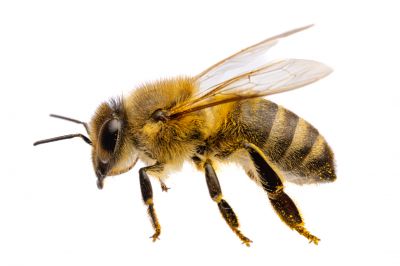
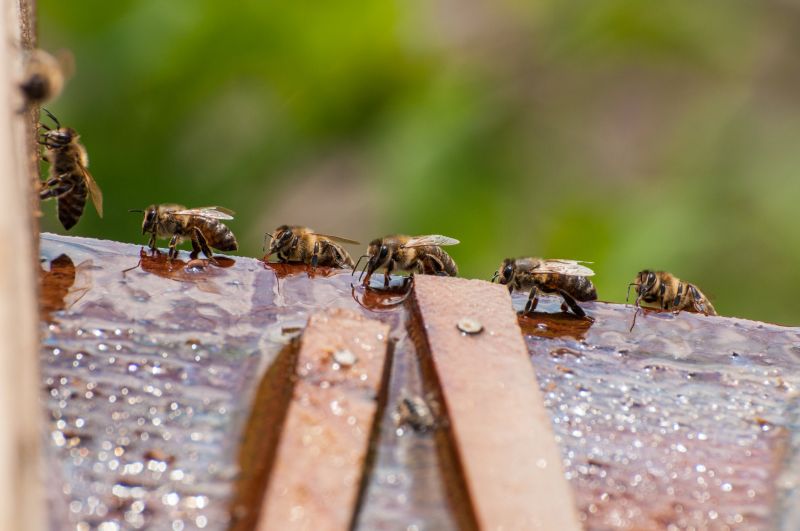
Understanding when bee removal is necessary and when it’s not can help property owners make informed decisions about their outdoor spaces. Typically, bee removal services are sought when bees establish hives in areas that pose a risk to people or pets, such as in wall voids, eaves, or near entrances to buildings. In these cases, local contractors can safely and effectively remove the hive to prevent potential stings or property damage. However, if bees are simply visiting a garden or a non-intrusive spot and not building a hive, removal might not be needed. Many local service providers can assess the situation and advise whether removal is appropriate or if the bees can be left undisturbed.
Property owners often look up this topic to determine if a bee presence warrants professional intervention or if the bees are simply passing through. Bees that are foraging or pollinating without creating a hive inside structures generally do not require removal, and in fact, they provide important ecological benefits. Local contractors can help evaluate whether the bees are establishing a hive or just temporarily visiting, and they can recommend the best course of action accordingly. For situations where bee removal is necessary, these professionals have the experience to handle the job safely and humanely, ensuring that both property and bee populations are managed responsibly.
When is bee removal necessary? Bee removal is typically needed when bees have established a hive in or near a home, posing safety concerns or risking property damage. Local contractors can assess whether the situation requires professional intervention.
When is bee removal not necessary? Bee removal may not be necessary if bees are temporarily visiting an area, such as foraging, and have not built a hive or caused any safety issues. Sometimes, bees will leave on their own without intervention.
How can I tell if bees have built a hive in my property? Signs include visible bee activity around a specific area, presence of a hive or combs, and increased bee traffic. Local service providers can help confirm whether removal is needed based on these signs.
Are there situations where bee removal should be avoided? Removal should be avoided if bees are pollinating nearby plants or if the hive is in a location that does not pose safety risks. Consulting with local pros can help determine the best course of action.
What factors influence the decision to remove bees? Factors include hive location, safety concerns, property damage risk, and whether the bees are aggressive. Local contractors can evaluate these factors to advise if bee removal is necessary or not.
Identify bee colonies in hidden areas - Recognizing where bees have established nests can help property owners decide if professional removal is needed to prevent potential issues.
Assess the location of bee activity - Understanding whether bees are near high-traffic or sensitive areas can guide decisions on when bee removal services are appropriate.
Monitor bee behavior during seasonal changes - Observing how bees respond to seasonal shifts can inform whether intervention is necessary or if they are simply passing through.
Determine if bees pose a safety concern - Evaluating the proximity of bee activity to people or pets helps decide when bee removal from local contractors is essential for safety.
If you are thinking about when bee removal is necessary and when it’s not for a property, this guide is meant to help you understand this topic, the typical project types, and how different options might fit your plans.
When you are ready, you can use the quote form on this page to share a few details about your project. From there, local pros can review the basics and follow up with options that match what you have in mind.