Humane Bee Removal Methods Explained
People seeking humane bee removal methods explained are usually looking to safely and ethically remove bees without harm, and local service providers can help achieve this effectively.
If you're wondering about humane bee removal methods explained, you're in the right place. Property owners in the area often encounter bees nesting in or around their homes and want to address the situation responsibly. Understanding the different approaches to bee removal can help ensure that these important pollinators are handled with care, especially when they have taken up residence in hard-to-reach spots. Local service providers specializing in humane bee removal can offer practical solutions that prioritize the bees’ safety while also protecting your property.
Exploring humane bee removal methods explained can reveal why many property owners choose to work with experienced professionals. These experts understand how to safely and effectively remove bees without causing unnecessary harm, often using techniques that encourage relocation rather than extermination. Keep reading to learn more about these methods and how local contractors can assist in resolving bee-related concerns in a way that respects both your property and the bees’ well-being.
- Bee removal - homeowners noticing large bee colonies in or around their property often seek humane bee removal methods explained by local contractors who use non-lethal techniques.
- Hive relocation - individuals with bees nesting in structures may need hive relocation services where local pros carefully transfer hives to safe, suitable environments.
- Bee exclusion - property owners wanting to prevent future bee infestations often explore humane exclusion methods, with local service providers applying humane strategies to block entry points.
- Swarm removal - when bees form swarms near homes or yards, local contractors can safely remove and relocate the swarm using humane bee removal methods explained for minimal disturbance.
- Nesting site removal - those dealing with bees nesting in attics, walls, or eaves can rely on local pros to handle the removal humanely, ensuring the bees are relocated without harm.
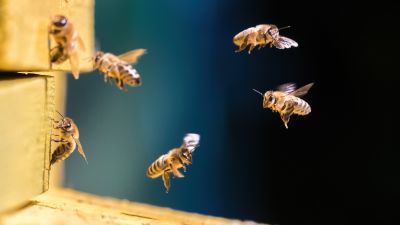
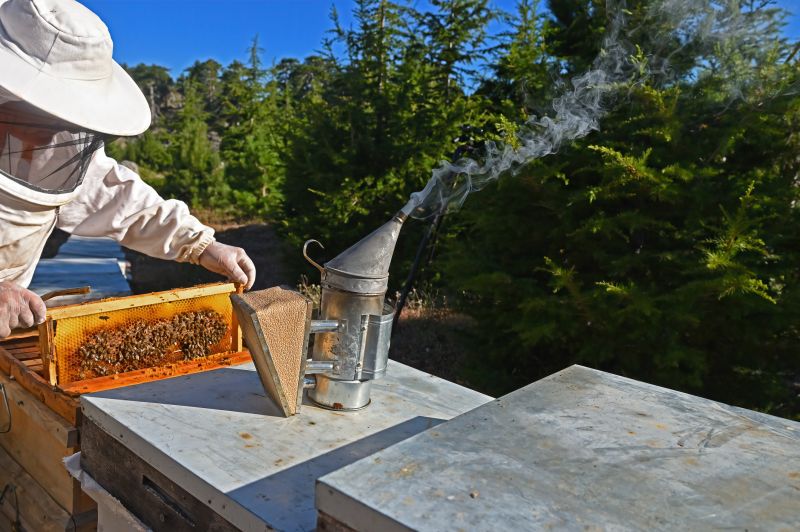
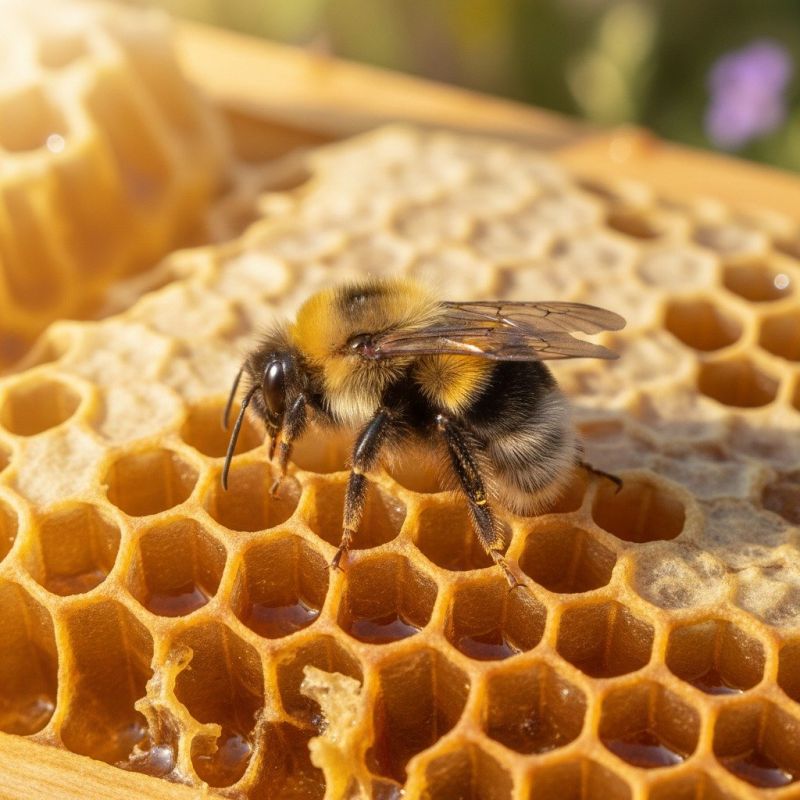
When people search for humane bee removal methods explained, they are often looking for ways to eliminate bee colonies without causing harm to the insects. This concern typically arises when bees have established nests on or near residential or commercial properties, and property owners want to remove the bees while ensuring their safety and well-being. The focus is on gentle, non-lethal techniques that prioritize relocating the bees to a more suitable environment rather than exterminating them. Understanding these methods helps homeowners make informed decisions about how to handle bee issues in a way that respects the insects and minimizes disruption.
Humane bee removal methods are closely related to problems involving unwanted bee colonies that pose risks to property or people, such as stings or structural damage. Many plans involve carefully removing and relocating the entire colony to a safe, appropriate habitat, often involving specialized equipment and techniques. These approaches are especially relevant when the bees have built nests in hard-to-reach places like wall cavities, attic spaces, or roof eaves. Property owners may also consider humane removal when they want to preserve the local bee population, which plays a crucial role in pollination and ecosystem health.
The types of properties that typically come up in discussions about humane bee removal include residential homes, commercial buildings, farms, and even historical structures. Homes with bee colonies in wall voids, chimneys, or on rooftops are common scenarios where humane methods are preferred to avoid damage to the property or the environment. Commercial properties with bee issues might involve large-scale removal from signage, vents, or decorative features. Farms and orchards may also seek humane removal to protect pollinators while managing the safety and functionality of their property. These diverse property types highlight the importance of tailored approaches that local service providers can deliver.
Local service providers specializing in humane bee removal are equipped to handle a variety of property situations using non-lethal techniques. They typically assess the location and behavior of the colony, then employ methods such as hive relocation, trapping, or exclusion to safely remove the bees. These professionals understand the importance of working carefully around the bees’ natural instincts and nesting habits, ensuring that the colony is relocated without harm. Property owners interested in humane removal can connect with these local contractors to find solutions that respect the bees’ role in the environment while addressing safety concerns on their property.
Wildlife exclusion projects - wildlife exclusion involves sealing entry points to prevent animals like bees from returning, which relates closely to humane bee removal methods and planning.
Attic and wall cavity sealing - sealing and insulating building cavities is a skill used in humane bee removal to ensure bees cannot re-enter after removal.
Bird and animal proofing services - these projects require understanding animal behaviors and humane exclusion techniques similar to bee removal methods.
Nest removal and habitat cleanup - safely removing nests and cleaning affected areas aligns with humane bee removal practices and planning.
Pest exclusion and entry prevention - preventing pests from entering structures involves similar tools and planning as humane bee removal methods.
Structural damage repair - repairing damage caused by nesting animals involves careful planning and skill sets applicable to humane bee removal projects.
When evaluating local contractors for humane bee removal methods explained, it is important to consider their experience with similar projects. A service provider with a proven track record in safely and effectively removing bee colonies will be more familiar with the best practices and challenges associated with humane removal techniques. Asking about their previous work can help determine if they have successfully handled situations comparable to your property, ensuring they possess the practical knowledge needed for a careful and respectful approach to bee removal.
Clear written expectations are essential when comparing local service providers. A reputable contractor should be able to provide detailed descriptions of their humane bee removal methods, outlining what the process entails and what results to expect. This transparency helps prevent misunderstandings and ensures that both parties are aligned on the scope of work. It also allows homeowners to assess whether the service provider’s approach aligns with their preferences for humane and non-invasive removal practices.
Reputable references and good communication are key factors in choosing a reliable local contractor. References from previous clients can offer insight into the contractor’s professionalism, effectiveness, and adherence to humane removal methods. Additionally, clear and open communication during the inquiry process can indicate how well the service provider listens to concerns, explains procedures, and provides updates. These qualities contribute to a smoother experience and help ensure that the chosen professional is capable of delivering respectful and effective humane bee removal services.
Property owners often search for humane bee removal methods explained when they are planning practical projects around their homes and businesses. Local pros provide Humane Bee Removal services for everyday jobs and straightforward project options.
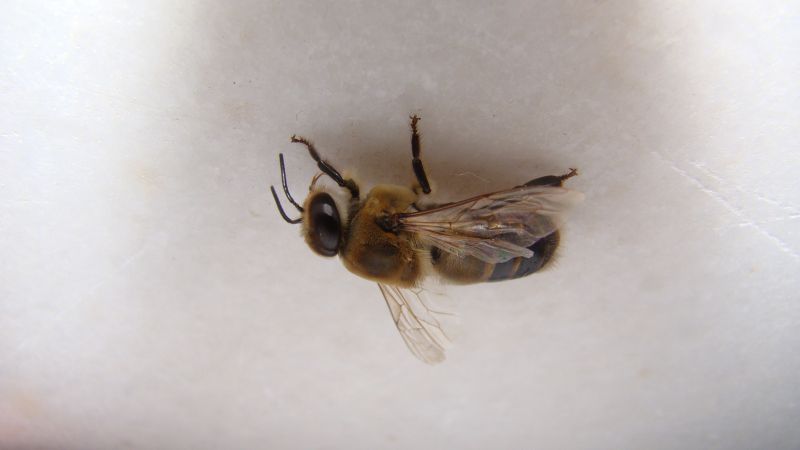
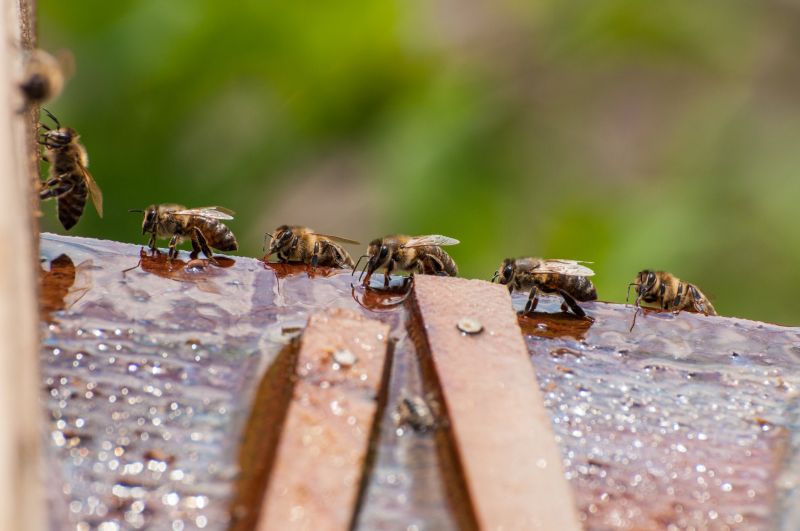
In many property situations, homeowners and business owners might notice buzzing sounds, swarming activity, or the presence of bees near eaves, walls, or other structures. These signs often lead property owners to seek information about humane bee removal methods explained in detail, as they want to resolve the issue without harming the bees or causing damage to their property. Local contractors who specialize in humane bee removal can provide expertise in safely relocating colonies, ensuring that the bees are moved to suitable habitats away from human activity.
People in the area may look up humane bee removal methods explained when they discover a hive or swarm on their property and prefer a solution that prioritizes the well-being of the bees. Many property owners are interested in working with local service providers who use gentle, bee-friendly techniques to remove and relocate hives. These professionals can handle the job with care, helping property owners address their bee concerns responsibly while avoiding the use of harmful chemicals or destructive methods.
What are humane bee removal methods? Humane bee removal methods focus on safely relocating bees without harming them, often involving gentle extraction and hive relocation by experienced service providers.
How do local contractors perform humane bee removal? Local contractors typically use non-lethal techniques such as hive relocation, using specialized tools and procedures to ensure bees are moved safely to a new location.
Are humane bee removal methods effective for all bee species? While most methods are effective for honeybees and certain other species, the suitability depends on the hive's location and type, which local pros assess during the process.
Can humane bee removal prevent future bee problems? Yes, professional humane removal often includes identifying and sealing entry points to prevent bees from returning or establishing new colonies nearby.
What should I expect during humane bee removal? Expect a careful approach where service providers gently remove the hive and relocate it, minimizing disruption and ensuring the safety of both bees and property.
Understanding humane bee removal methods explained - property owners can learn about non-lethal techniques to safely relocate bees without harming them during a project.
Identifying bee entry points and nesting sites - homeowners can inspect their property for signs of bee activity and work with local contractors to implement humane removal solutions.
Using bee exclusion and trapping techniques - property owners may apply exclusion methods to prevent bees from returning to problem areas, with the help of professionals who specialize in humane removal.
Implementing proper hive relocation practices - homeowners can coordinate with local service providers to ensure bees are moved to suitable habitats, avoiding destruction of colonies.
If you are thinking about humane bee removal methods explained for a property, this guide is meant to help you understand this topic, the typical project types, and how different options might fit your plans.
When you are ready, you can use the quote form on this page to share a few details about your project. From there, local pros can review the basics and follow up with options that match what you have in mind.